The bill is rising, but the cause is unclear
Separate energy use, demand peaks, power factor, operating hours and avoidable loss before buying equipment.
Explore the serviceIndependent energy advice • Philippines
Battery storage, photovoltaic solar and resilient power for Philippine businesses and public facilities. We examine the load, the proposal and the risks—so you can choose what your site actually needs.
The initial desktop assessment is free and identifies the next useful step. No purchase obligation. Any detailed study begins only after a separate proposal is approved.
LGUs • public facilities • procurement teams
For municipal engineers, mayors’ offices and BAC teams: clarify the need, challenge assumptions and define evidence for acceptance. Start with a free initial review.
Photovoltaic solar + battery storage
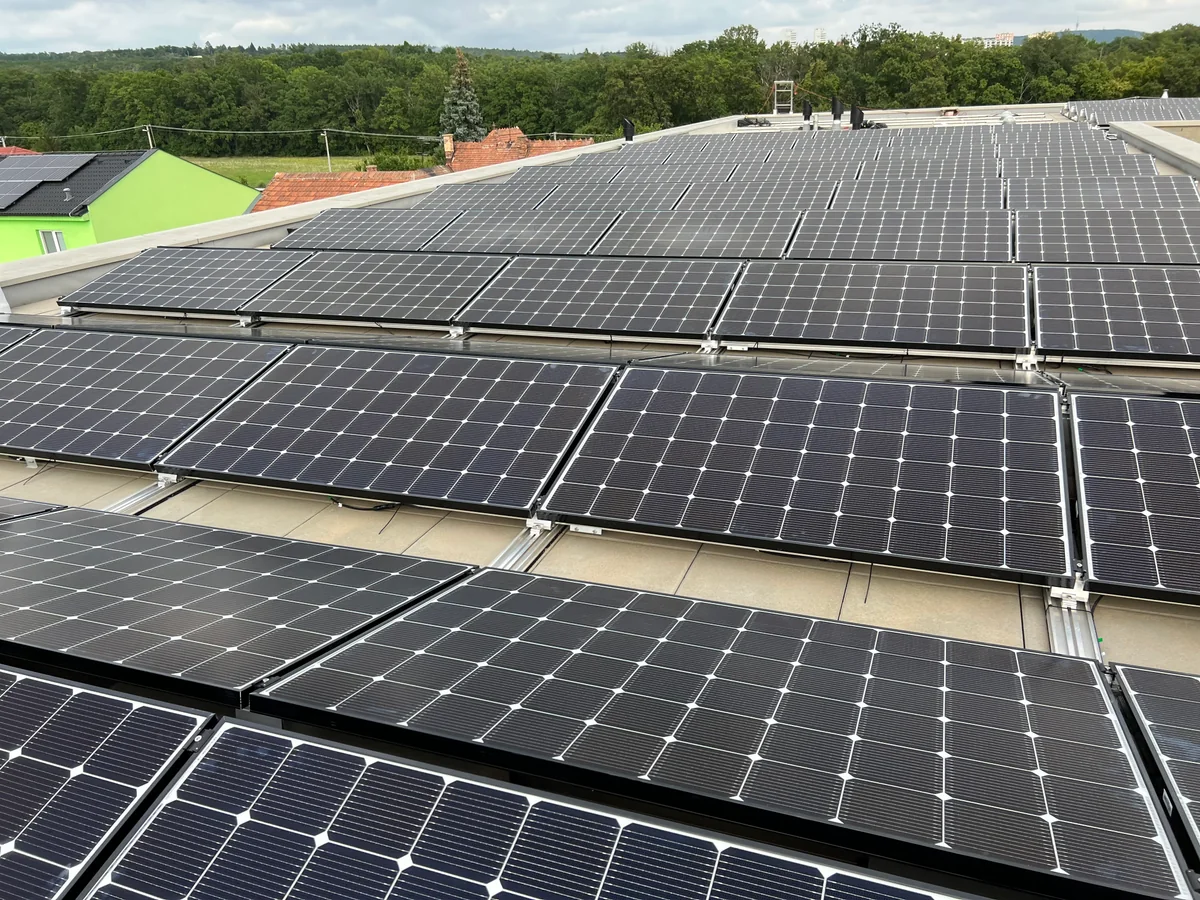
For a factory with steady daytime demand, direct solar self-consumption may do much of the useful work. A water district, cold store or shrimp farm may need a different balance of solar, flexible loads, generator backup and reserved battery energy. We compare those options using the actual operating schedule, not a standard package.
European installation experience informs the questions; Philippine conditions determine the design. Review roof structure and wind exposure, coastal corrosion, drainage, maintenance access, electrical protection and the connection route. Adding BESS also requires a clear operating duty and safe isolation—ordinary grid-tied PV does not become backup merely because panels are installed.
S3 independent BESS qualification
Our RLHS decision method tests the complete operating chain before a buyer relies on savings, backup or compliance claims.
Interval load, critical loads, outage cost and dispatch priority
Cells, modules, BMS, PCS, EMS, transformer, protection and auxiliaries
Thermal design, fire strategy, isolation, access and emergency information
Accounts, remote control, updates, logs, cloud dependency and local fallback
Usable AC energy, degradation, warranty, spares, service, FAT and SAT
Transparent origin and responsibility
A locally branded enclosure does not by itself prove local engineering, compliance, cybersecurity or long-term support. Chinese-origin components can be commercially sound when the exact OEM, model, firmware, data path, certificates, warranty and service responsibilities are disclosed and the integrated system passes project-specific review. We test what the system is and does; we do not reward hidden provenance or reject technology by country alone.
BESS technology library
Compare behind-the-meter BESS, HESS, microgrid, peak-shaving and continuity architectures. The exact cells, BMS, PCS, EMS, protection and service route are qualified later as one system.
Model peak shaving, PV capture and continuity scenarios against interval data, PCS power, SOC reserve, degradation, tariffs and recovery priorities.
02Define an industrial storage concept across load events, PCS and transformer limits, fire strategy, site logistics, EMS, communications, warranties and FAT/SAT.
03Define dispatch priorities, tariff logic, demand limits, reserve, forecasts, alarms, manual authority, data retention, interfaces and acceptance tests.
04Define start/stop authority, minimum loading, synchronization, reserve, black start, load steps, solar curtailment, manual fallback and recovery tests.
Start with the business problem
A battery is valuable only when its power, usable energy, controls and operating priorities match the facility that depends on it.
Separate energy use, demand peaks, power factor, operating hours and avoidable loss before buying equipment.
Explore the serviceDefine critical loads, motor starts, acceptable interruption and true autonomy before sizing backup.
Explore the serviceTest usable capacity, savings assumptions, protection, warranties, data access and omitted scope.
Explore the serviceMap own-use, zero-export, ESS, import, privacy and cyber obligations to the actual product and site.
Explore the serviceCommercial decision ladder
Identify the apparent priority, evidence gaps and next step.
Approve a separate proposal before any detailed analysis begins.
Turn findings into comparable requirements.
Test the promised operating result.
High-value operating environments
Cold chain
Aquaculture
Manufacturing
Hospitality & islands
Anonymized Philippine case
The work reduced avoidable electrical losses, clarified aerator and pump priorities, and produced a stronger basis for solar, BESS and backup sizing. Client identity and exact location remain confidential.
Case studiesEuropean experience • Philippine application
Our Philippine advisory work draws on European solar experience dating to 2009, documented by Solarni Panely.CZ. That background includes solar, storage, backup and commissioning. The date describes European experience; it is not the incorporation date of Secure Solar Systems Inc. or a claim of Philippine operation since 2009.
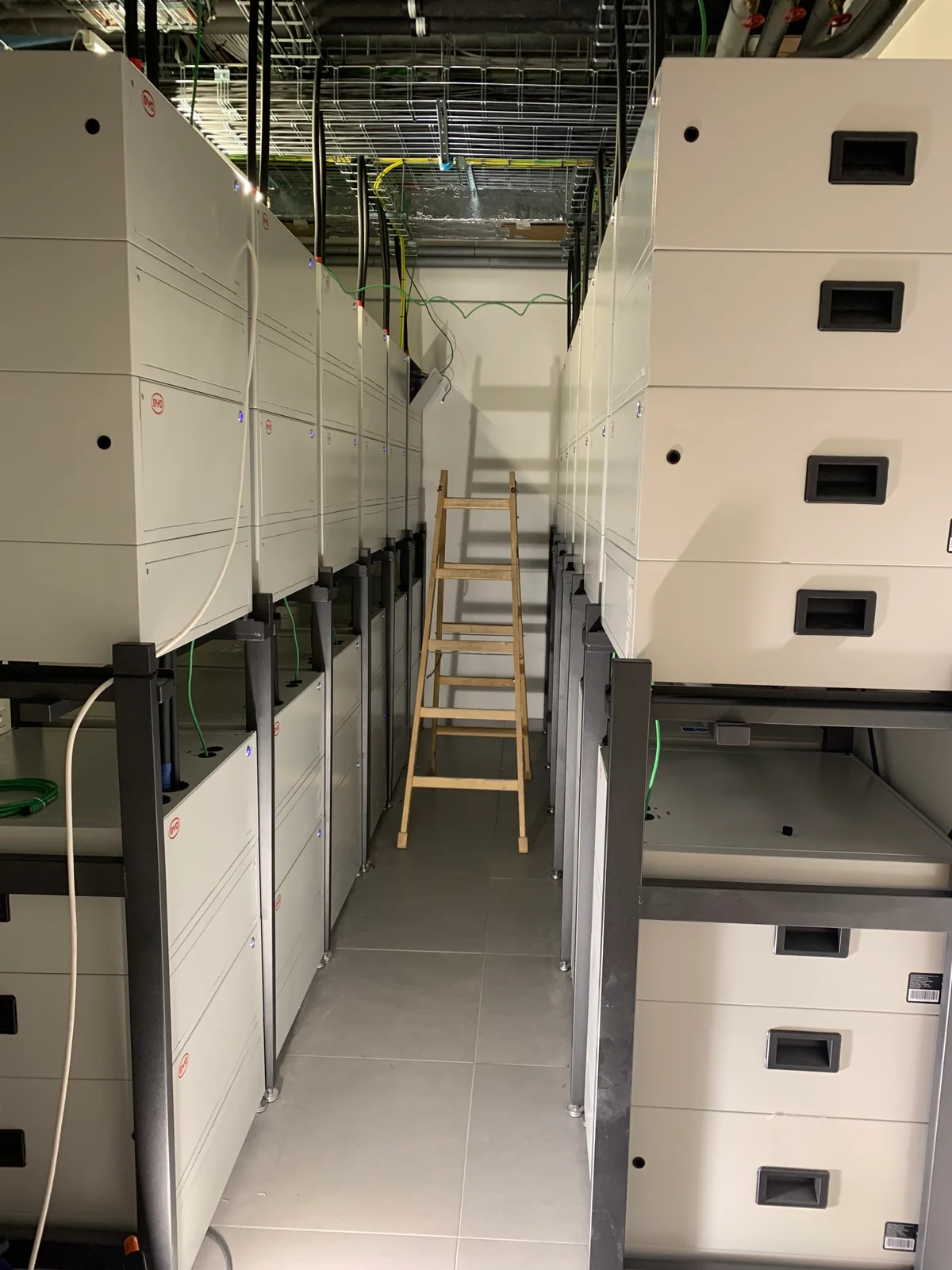
The source records 64 × 15.4 kWh BYD modules for backup and storing solar energy. The photograph documents installation, not a finished safety inspection. It is a European reference, not a Philippine project or a promise of usable AC capacity.
View the source reference ↗The Kociánka reference illustrates an actual rooftop installation. For a Philippine site, roof structure, wind exposure, corrosion, drainage, access and electrical interfaces need their own assessment. The image is not evidence of typhoon certification or a transferable savings figure.
View the source reference ↗Source: European experience since 2009 · Photographs: Solarni Panely.CZ project archive. No client savings or performance results are inferred.
Philippine policy → practical decisions
Sources checked 4 September 2026. The engineering implications below are S3’s interpretation, not a government approval or a project-specific legal opinion.
DOE’s January 2026 partnership with Iloilo and Bacolod combines public-building solar with energy efficiency. That is a useful planning lesson: compare load reduction, daytime PV and critical-load storage instead of assuming every building needs the same package. Programme participation is not an automatic grant or an endorsement of S3.
DOE release via Philippine Information Agency • January 2026 ↗Review public procurement risksDOE DC2026-08-0017 distinguishes own-use zero-export solar from micro-solar. Connected zero-export installations require DU notification and effective export prevention; building-permit and ERC COC requirements depend on the category and stated exceptions. Do not apply household or micro-solar exemptions to an ordinary commercial project. We help map the actual site, owner and operating mode before a proposal becomes a commitment.
DOE DC2026-08-0017 • sections 2–6, 9–10 ↗Check the own-use solar routeThe DOE’s 2026 ESS framework updates the role of storage in the power sector. A commercial buyer still needs a project-specific route and operating study. Separate required kW from usable AC kWh, reserve for outages from energy available for peak shaving, and grid services from behind-the-meter savings. A rule for a large renewable plant is not a universal battery requirement for every rooftop.
DOE DC2026-02-0008 • supplemental ESS framework ↗Define the BESS dutyCurrent Philippine decisions
A local label, imported enclosure or familiar cell name does not describe the complete battery energy storage system. Buyers need a traceable view of the manufacturer, component lineage, firmware, cloud, certificates, responsibility and service that will remain after commissioning.
Read analysis BESS diagnostics •An early high- or low-voltage limit can reduce usable energy across an entire rack, yet the visible spread may have several causes. Responsible diagnosis synchronizes electrical, thermal, control and history data before balancing, replacing or blaming a component.
Read analysis BESS and HESS •Battery energy storage and hybrid energy storage can serve peak management, solar shifting, continuity, power quality and generator optimization, but these benefits compete for the same power, energy and operating reserve. A bankable design gives each duty a measurable priority.
Read analysis Local automation •Node-RED can connect measured energy and production states into understandable local flows, but low-code does not remove engineering responsibility. Every writable output needs an operating boundary, interlock, manual fallback, change record and witnessed failure test.
Read analysis Energy management •Designated establishments should prepare traceable energy, production, equipment and opportunity records before the competent audit begins.
Read analysis Inverter engineering •Low-frequency and high-frequency describe an internal conversion approach—not the 60 Hz delivered to Philippine loads. The useful comparison is topology, surge duration, thermal behavior, isolation, evidence and serviceability.
Read analysisFor BESS manufacturers entering the Philippines
We build a product-specific route across importer roles, DTI-BPS applicability, project classification, data behavior, local control, serviceability and FAT/SAT evidence. The Philippine baseline is the Data Privacy Act—not the EU Data Act; the EU rule matters only where a separate EU nexus exists.
Explore the serviceRLHS evidence method
We separate verified facts from assumptions, log contradictions and open dependencies, and attach acceptance criteria to recommendations.
Start with clarity, not a purchase
Tell us what you need to improve: electricity cost, reliable power, an existing system or a public procurement. We start with a no-obligation desktop review of the information you provide.